

The global dema nd for heavy-duty truck spare parts remains closely connected to freight transportation, fleet operation, and vehicle maintenance. Even when new truck sales fluctuate, existing commerc
Release Time. 2026-05-12
The global demand for heavy-duty truck spare parts remains closely connected to freight transportation, fleet operation, and vehicle maintenance. Even when new truck sales fluctuate, existing commercial vehicles still require regular replacement of wearing parts, including brake parts, filters, clutch components, suspension parts, engine parts, electrical parts, and body parts.
According to the American Trucking Associations, trucks moved 11.27 billion tons of freight in the United States in 2024, showing that road freight continues to play a major role in supply chains and daily goods transportation. This high level of truck operation creates continuous demand for reliable maintenance and replacement parts.
In Europe, commercial vehicle demand also shows active market movement. ACEA reported that new EU truck registrations increased by 10.7% in Q1 2026, while diesel trucks still represented the dominant share of the market in 2024. This means that diesel heavy-duty trucks will continue to require traditional maintenance parts for years, even as electric and alternative-energy trucks gradually enter the market.
For fleet operators, truck downtime is one of the biggest costs. A small component failure can delay delivery schedules, increase repair expenses, and reduce vehicle availability. As a result, many distributors, workshops, and transport companies prefer to keep fast-moving truck spare parts in stock, especially parts related to braking systems, cooling systems, filters, chassis components, engine repair, lighting, and body replacement.
The commercial vehicle aftermarket is also becoming more data-driven. S&P Global Mobility describes its commercial vehicle aftermarket parts data as covering medium-duty and heavy-duty trucks and buses, with demand information updated quarterly. This reflects the importance of accurate parts demand forecasting for suppliers, distributors, and fleet maintenance companies.
For buyers of truck spare parts, product reliability is more important than simply finding the lowest price. Heavy-duty trucks often operate under long mileage, heavy load, high temperature, dust, vibration, and poor road conditions. Therefore, replacement parts must meet practical requirements such as stable fitment, durable materials, accurate dimensions, and consistent performance.
Common high-demand truck spare parts include:
Engine parts such as valve guides, injectors, pistons, liners, turbochargers, and gaskets
Brake system parts such as brake drums, brake shoes, brake pads, and air brake components
Chassis and suspension parts such as shock absorbers, leaf springs, bushings, and torque rods
Cooling system parts such as radiators, water pumps, thermostats, and fan blades
Electrical parts such as sensors, alternators, starters, lamps, and switches
Body parts such as bumpers, fenders, mirrors, handles, grilles, and panels
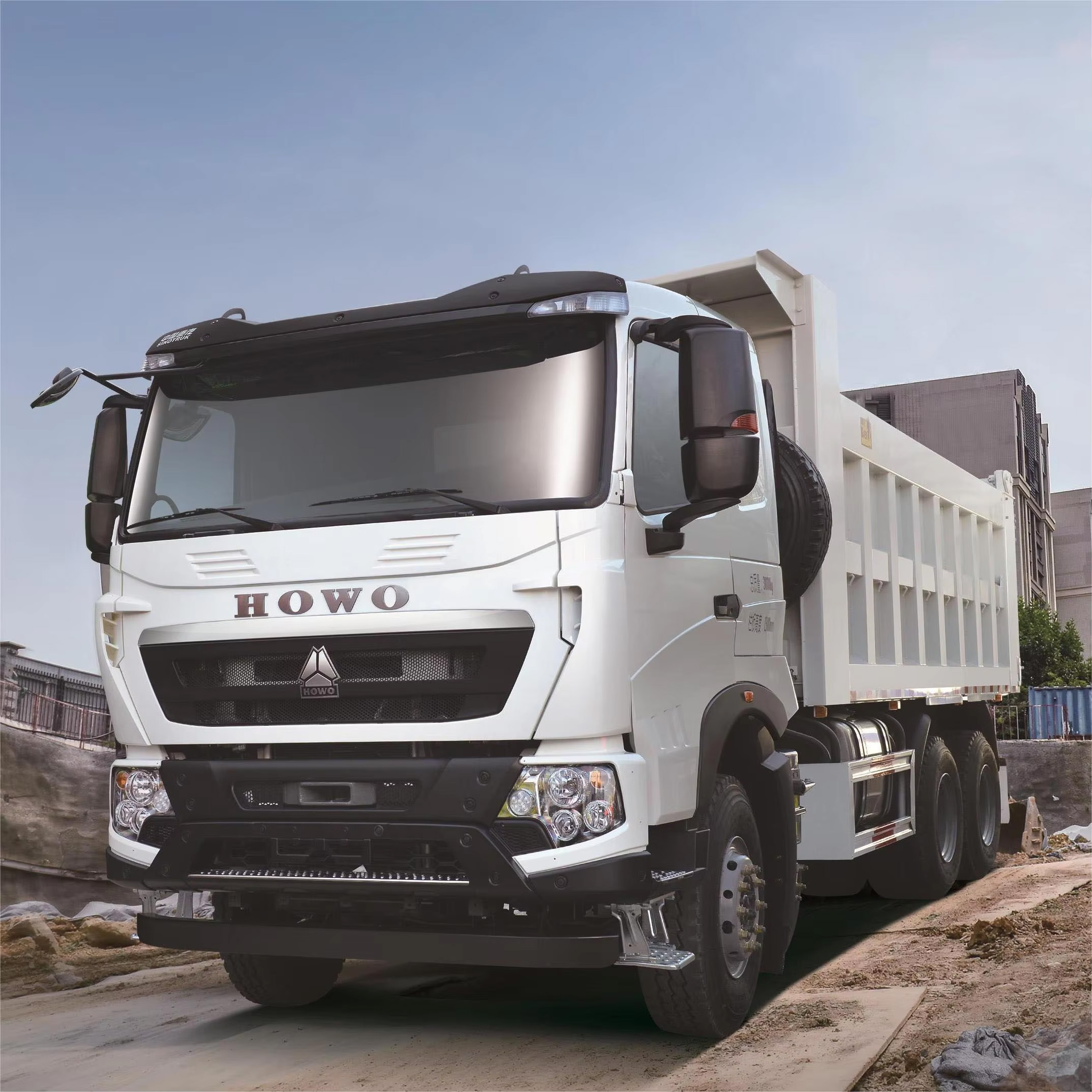
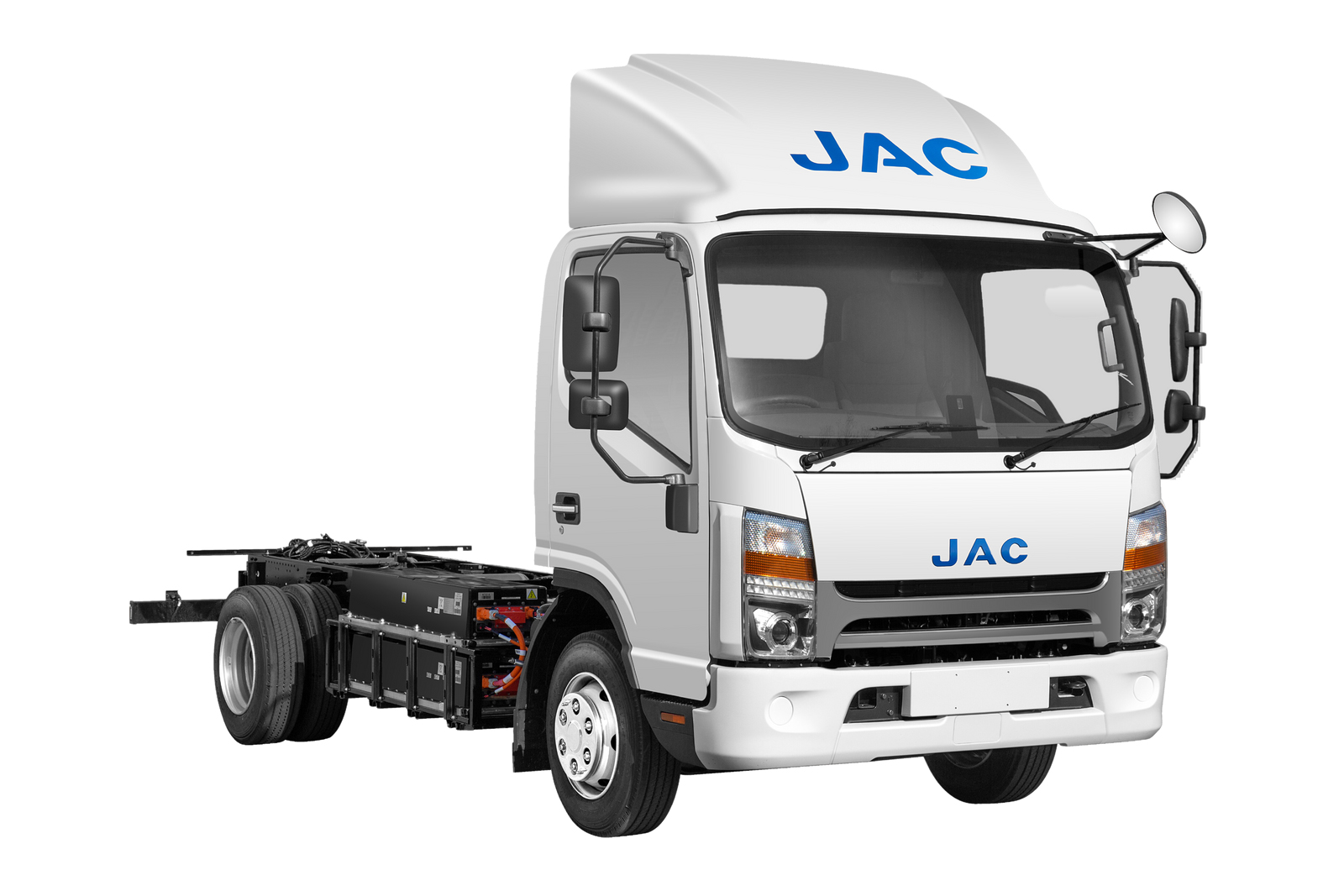
For international buyers, choosing a professional truck spare parts supplier helps reduce procurement risk. A reliable supplier should provide clear part numbers, vehicle model compatibility, stable packaging, export experience, and responsive communication. For brands such as SINOTRUK HOWO, SHACMAN, FAW, FOTON, Dongfeng, JAC, and other heavy-duty truck models, correct part identification is especially important because many components may look similar but differ in size, mounting position, or technical specification.
In the truck spare parts aftermarket, long-term cooperation is built on accuracy, availability, and trust. Suppliers who can support fast quotation, clear product photos, model matching, and consistent quality are more likely to help customers reduce downtime and improve fleet maintenance efficiency.
As commercial vehicles continue to support logistics, construction, mining, agriculture, and cross-border transportation, the demand for dependable heavy-duty truck spare parts will remain stable. For distributors and fleet operators, working with an experienced truck parts supplier is not only a purchasing decision, but also an important part of keeping vehicles on the road.
According to the American Trucking Associations, trucks moved 11.27 billion tons of freight in the United States in 2024, showing that road freight continues to play a major role in supply chains and daily goods transportation. This high level of truck operation creates continuous demand for reliable maintenance and replacement parts.
In Europe, commercial vehicle demand also shows active market movement. ACEA reported that new EU truck registrations increased by 10.7% in Q1 2026, while diesel trucks still represented the dominant share of the market in 2024. This means that diesel heavy-duty trucks will continue to require traditional maintenance parts for years, even as electric and alternative-energy trucks gradually enter the market.
For fleet operators, truck downtime is one of the biggest costs. A small component failure can delay delivery schedules, increase repair expenses, and reduce vehicle availability. As a result, many distributors, workshops, and transport companies prefer to keep fast-moving truck spare parts in stock, especially parts related to braking systems, cooling systems, filters, chassis components, engine repair, lighting, and body replacement.
The commercial vehicle aftermarket is also becoming more data-driven. S&P Global Mobility describes its commercial vehicle aftermarket parts data as covering medium-duty and heavy-duty trucks and buses, with demand information updated quarterly. This reflects the importance of accurate parts demand forecasting for suppliers, distributors, and fleet maintenance companies.
For buyers of truck spare parts, product reliability is more important than simply finding the lowest price. Heavy-duty trucks often operate under long mileage, heavy load, high temperature, dust, vibration, and poor road conditions. Therefore, replacement parts must meet practical requirements such as stable fitment, durable materials, accurate dimensions, and consistent performance.
Common high-demand truck spare parts include:
Engine parts such as valve guides, injectors, pistons, liners, turbochargers, and gaskets
Brake system parts such as brake drums, brake shoes, brake pads, and air brake components
Chassis and suspension parts such as shock absorbers, leaf springs, bushings, and torque rods
Cooling system parts such as radiators, water pumps, thermostats, and fan blades
Electrical parts such as sensors, alternators, starters, lamps, and switches
Body parts such as bumpers, fenders, mirrors, handles, grilles, and panels
For international buyers, choosing a professional truck spare parts supplier helps reduce procurement risk. A reliable supplier should provide clear part numbers, vehicle model compatibility, stable packaging, export experience, and responsive communication. For brands such as SINOTRUK HOWO, SHACMAN, FAW, FOTON, Dongfeng, JAC, and other heavy-duty truck models, correct part identification is especially important because many components may look similar but differ in size, mounting position, or technical specification.
In the truck spare parts aftermarket, long-term cooperation is built on accuracy, availability, and trust. Suppliers who can support fast quotation, clear product photos, model matching, and consistent quality are more likely to help customers reduce downtime and improve fleet maintenance efficiency.
As commercial vehicles continue to support logistics, construction, mining, agriculture, and cross-border transportation, the demand for dependable heavy-duty truck spare parts will remain stable. For distributors and fleet operators, working with an experienced truck parts supplier is not only a purchasing decision, but also an important part of keeping vehicles on the road.
Related News
MORE >
HOWO Strong Presence in the Mining and Industrial Secto
HOWO Strong Presence in the Mining and Industrial Secto

One-stop purchasing for your projects
One-stop purchasing for your projects

Local Large Auto Parts Wholesaler & Repair Fleet Supplier
HOWO parts Dubai, HOWO truck spare parts wholesale Dubai, full container HOWO parts export, heavy truck OEM parts Middle

Chinese Truck Parts Supplier | Full Container Shipped to Su
Reliable Chinese truck parts supplier delivering full container shipments to Sudan. Proven quality, fast-selling spare p

A17FO Series Hydraulic Piston Pump: Selection and Maintenanc
The A17FO series fixed-displacement axial piston pump is a high-performance core component built for reliable, efficient

How To Use The Tractor Seat Of Semi-trailer?

Request a Quote
Get the latest price? We'll respond as soon as possible (within 12 hours)